Introduction
Most people don't search for Snake Plant using text alone—they search using images. Whether it's Google Images, Pinterest, Instagram, or visual search tools, images play a major role in identifying, comparing, and buying Snake Plants.
This pillar page explains Snake Plant images & visual search in a practical, user-first way—helping users identify varieties, judge plant health, compare sizes, and make better buying decisions using visuals.
Why Images Matter for Snake Plant Searches
Snake Plant is a visual-first plant. Users rely on images to:
- Identify the correct variety
- Compare size and growth stage
- Check leaf color and pattern
- Decide indoor or outdoor placement
- Build trust before buying online
Strong visuals directly influence clicks, trust, and conversions.
Common Visual Search Intents for Snake Plant
Identification Intent
Users search images to ask:
- Which Snake Plant variety is this?
- Is this Laurentii, Zeylanica, or Moonshine?
Comparison Intent
- Small vs large Snake Plant
- Indoor vs outdoor placement
- Plastic pot vs ceramic pot
Buying Intent
- Real product images
- Healthy plant vs unhealthy plant
- Packaged plant for delivery
Snake Plant Varieties Identification Using Images
Snake Plant Laurentii
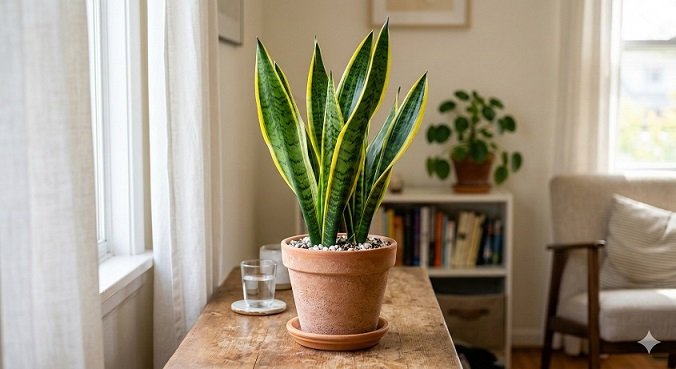
- Yellow borders on leaves
- Dark green center pattern
- Most commonly seen in images
Snake Plant Zeylanica
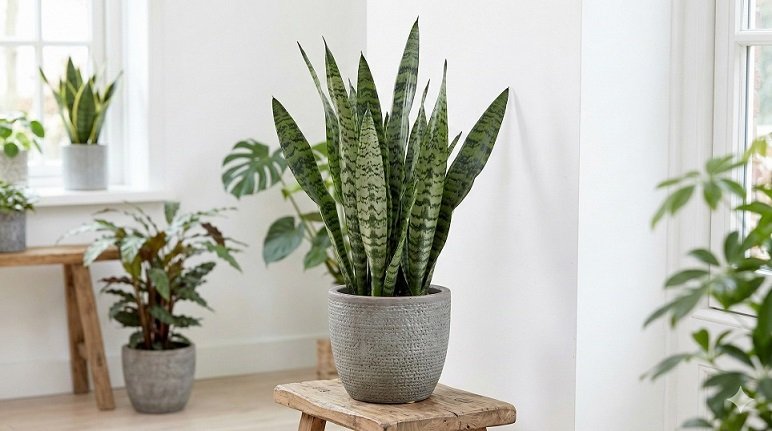
- No yellow edges
- Strong horizontal patterns
- Often confused with Laurentii
Snake Plant Moonshine
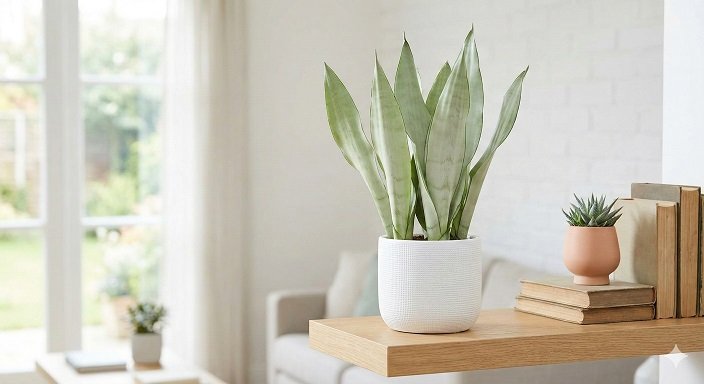
- Light silvery-green leaves
- Smooth texture
- Premium-looking in images
Snake Plant Cylindrica
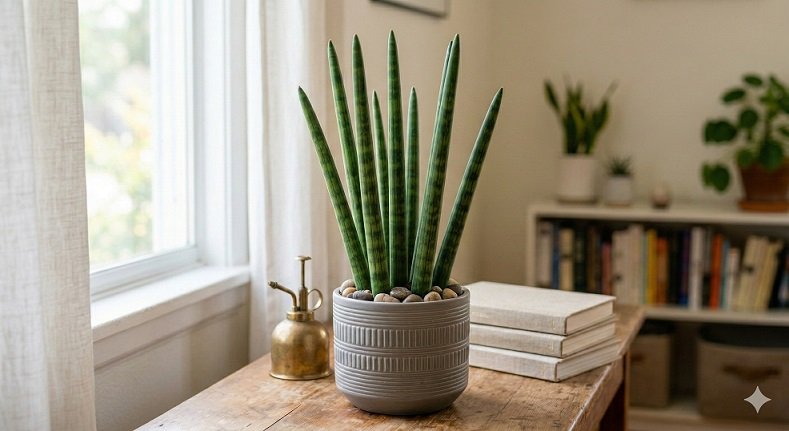
- Round, cylindrical leaves
- Modern and decorative
- Easy to identify visually
How to Identify a Healthy Snake Plant from Images
A healthy Snake Plant image should show:
- Upright, firm leaves
- Natural color (no dullness)
- Clean leaf surface
- No yellow or mushy base
Avoid plants that look:
- Overwatered
- Droopy or bent
- Heavily spotted or damaged
Size Comparison Using Snake Plant Images
Small Size (Tabletop)
- Short leaves
- Compact pot
- Best for desks
Medium Size (Floor/Indoor)
- Balanced height
- Full-looking plant
- Most popular size online
Large Size (Commercial/Office)
- Tall upright leaves
- Heavy pots
- Used for corners and entrances
Images help users understand real-life scale better than text.
Indoor vs Outdoor Placement Visual Guide
Indoor Images Show
- Snake Plant near windows
- Living room or bedroom placement
- Decorative pots
Outdoor Images Show
- Larger growth
- Sunlight exposure
- Balcony or garden setups
Visual context helps users decide placement correctly.
Snake Plant Pot & Styling Images
Users visually compare:
- Plastic pots (basic & budget)
- Ceramic pots (decor-focused)
- Cement and planters (modern look)
Pot images strongly influence buying decisions.
Using Images for Buying Decisions
Before buying online, users check:
- Real product photos
- Multiple angles
- Close-up leaf texture
- Pot size reference
Clear images reduce returns and confusion.
Image Optimization Tips for Snake Plant Blogs
For website owners and sellers:
- Use natural lighting
- Avoid heavy filters
- Show real plant condition
- Use white or natural background
- Add descriptive alt text
This improves visual search visibility and trust.
Google Visual Search & Snake Plant
Snake Plant appears in:
- Google Images
- Google Lens
- Pinterest visual search
Optimized images help users discover content without typing queries.
Suggested Internal Links
Use these internal links to support visual search intent:
- Snake Plant Varieties & Types
- Snake Plant Buying Guide & Commercial Intent
- Snake Plant Care & Growing Guide
- Snake Plant Benefits & Uses
Frequently Asked Questions
Click any question below to expand detailed botanical answers & care tips:
QCan I identify Snake Plant variety using images?
Yes, leaf color, pattern, and shape make visual identification highly reliable. For example, Snake Plant Laurentii is easily recognized by its vibrant yellow borders, Moonshine by its uniform silvery-mint foliage, and Zeylanica by its dark horizontal zebra banding.
QAre online Snake Plant images always accurate?
Not always. Highly edited stock photos or AI-generated renders can distort real plant proportions and colors. When shopping online, always look for authentic nursery photographs and buyer review pictures to judge true pot size, spear height, and leaf firmness.
QWhich Snake Plant looks best indoors?
Snake Plant Laurentii (golden-edged) and Snake Plant Moonshine (silvery-pale green) are the most popular choices for indoor decor due to their striking color contrast, clean upright architectural lines, and versatility in ceramic floor planters or tabletop pots.
QHow do I identify a healthy Snake Plant from images?
Examine the leaves for firm, upright growth without bending or wrinkling. Healthy specimens exhibit rich green or crisp variegated colors without soggy yellow patches (a sign of root rot) or dry, crispy brown tips (caused by extreme drought or sunburn).
Need Advice for Your Snake Plant?
Send photos on WhatsApp for free watering, repotting, or blooming advice from our nursery horticulturists.